


Bug Bounties:
1. Introduction to Bug Bounties:
Bug bounties are a proactive approach to finding and fixing security vulnerabilities in your website. They involve inviting ethical hackers and security researchers to discover and report vulnerabilities in exchange for rewards. This helps improve your website’s security and reduces the risk of malicious attacks.
2. How Bug Bounties Work:
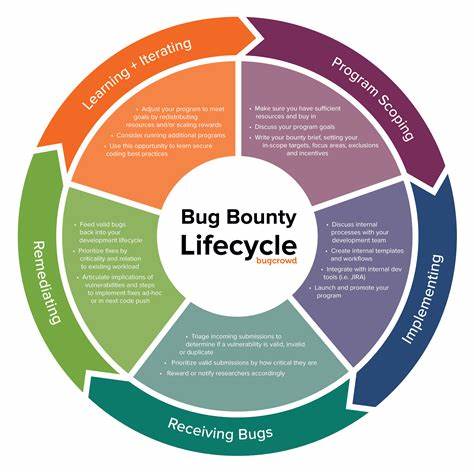
Bug bounty programs typically follow these steps:
- Launch the program: Define the scope of your bug bounty program, including which parts of your website are in-scope and the types of vulnerabilities you’re interested in.
- Invite ethical hackers: Use platforms like Bugcrowd, HackerOne, or create your own program to invite security researchers and hackers to participate.
- Reporting vulnerabilities: Researchers find and report vulnerabilities to you through the bug bounty platform.
- Verification and triage: Your security team verifies the reported vulnerabilities and assesses their impact.
- Rewarding researchers: Reward ethical hackers based on the severity and impact of the reported vulnerabilities.
- Fixing vulnerabilities: Address the reported vulnerabilities promptly.
- Continuous improvement: Use the insights from the bug bounty program to enhance your website’s security.
3. Benefits of Bug Bounties:
Bug bounties offer several benefits:
- Crowdsource security testing: Tap into a global pool of talent to identify vulnerabilities that might be missed through traditional testing.
- Cost-effective: You pay for results, rather than hiring full-time security experts.
- Improved security posture: Continuous testing and patching enhance your website’s security over time.
- Positive reputation: Demonstrates your commitment to security, which can build trust with customers.
Vulnerability Management:
1. What Is Vulnerability Management:
Vulnerability management is the process of identifying, prioritizing, and mitigating security vulnerabilities in your website or web application. It’s a crucial part of maintaining a strong security posture.
2. Vulnerability Scanning and Assessment:
- Regularly scan your website for vulnerabilities using automated tools and manual testing.
- Classify vulnerabilities based on their severity, potential impact, and exploitability.
- Prioritize remediation efforts based on the risk posed by each vulnerability.
3. Patch Management:
- Develop a patch management process to efficiently apply security updates and fixes.
- Test patches in a controlled environment before deploying them to the production website.
- Maintain an inventory of all software components and third-party libraries to track vulnerabilities.
4. Incident Response:
- Have an incident response plan in place to address security breaches swiftly.
- Define roles and responsibilities for incident response team members.
- Establish communication protocols to notify stakeholders and customers in case of a breach.
5. Continuous Improvement:
- Monitor and review your vulnerability management process regularly.
- Learn from incidents and vulnerabilities to make improvements.
- Stay updated on emerging threats and adjust your security measures accordingly.
6. Compliance and Reporting:
- Ensure your vulnerability management process aligns with industry standards and regulatory requirements.
- Maintain documentation and reporting to demonstrate compliance.