


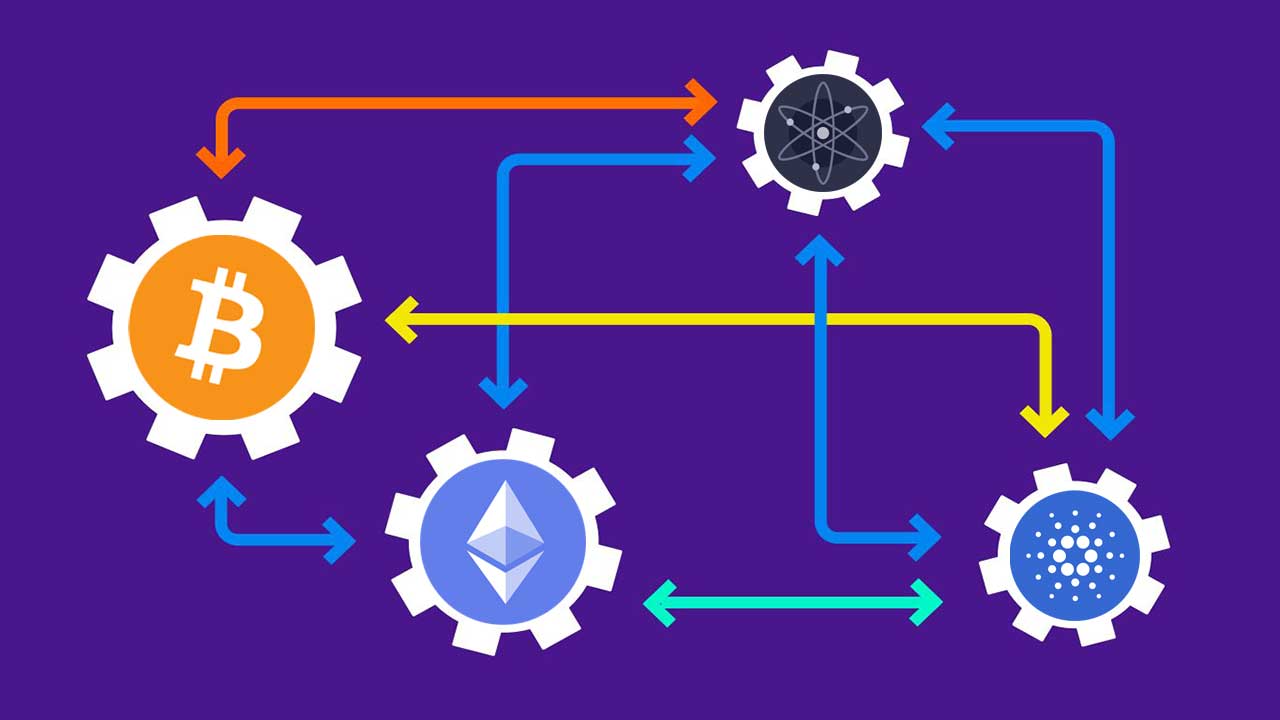
Introduction to Cross-Chain Interoperability:
Cross-chain interoperability is the ability of various blockchain networks to work together, enabling the exchange of assets and information between them. It plays a crucial role in addressing the limitations of individual blockchains and fostering a more connected and versatile blockchain ecosystem.
2. The Importance of Cross-Chain Interoperability:
Cross-chain interoperability is essential for the following reasons:
- Asset Portability: Users can move assets (tokens, NFTs, etc.) from one blockchain to another, promoting liquidity and flexibility.
- Improved Scalability: Interoperability can reduce congestion on a single blockchain, enhancing overall network scalability.
- Decentralized Finance (DeFi): It enables DeFi applications to access assets and data from various blockchains, expanding the scope of decentralized finance.
- Cross-Platform Development: Developers can build applications that span multiple blockchains, reaching a broader audience.
3. Cross-Chain Interoperability Solutions:
Several solutions facilitate cross-chain interoperability:
- Atomic Swaps: These are trustless, peer-to-peer exchanges of cryptocurrencies between different blockchains, ensuring secure asset transfers.
- Blockchain Bridges: These are smart contracts or protocols that lock assets on one blockchain and issue equivalent assets on another blockchain, creating a connection between the two.
- Interoperability Protocols: Projects like Polkadot, Cosmos, and Aion provide frameworks for interoperability, allowing blockchains to communicate with each other.
- Wrapped Tokens: Assets from one blockchain are “wrapped” to create equivalent tokens on another blockchain. For example, Wrapped Bitcoin (WBTC) is Bitcoin represented on the Ethereum blockchain.
- Oracles: Decentralized oracles like Chainlink provide real-world data to smart contracts on different blockchains, enhancing their functionality.
4. Challenges in Cross-Chain Interoperability:
While cross-chain interoperability offers numerous benefits, it comes with challenges such as security, consensus mechanisms, and governance. Addressing these challenges is crucial for the widespread adoption of interoperability solutions.
5. Real-World Use Cases:
Highlight real-world use cases of cross-chain interoperability, such as:
- Multi-Chain NFT Platforms: Platforms like Rarible and OpenSea enable NFT trading on multiple blockchains.
- Cross-Chain DeFi: Protocols like Aave and Curve use interoperability to access assets from various blockchains in their lending and liquidity pools.
- Cross-Chain DEXs: Decentralized exchanges like PancakeSwap and SushiSwap bridge assets from different blockchains for trading.
6. Conclusion:
Cross-chain interoperability is a pivotal step towards the widespread adoption of blockchain technology. It empowers users, developers, and the broader blockchain ecosystem by creating a seamless connection between disparate networks. Stay updated with the latest developments in this space to harness the full potential of cross-chain interoperability.