


Introduction
Art installations have evolved from being confined to galleries and museums into powerful tools for marketing and brand promotion. These immersive and visually striking experiences offer unique opportunities for brands to engage with their audiences in memorable and impactful ways. In this blog post, we’ll explore the fascinating world of art installations used in marketing and how they can leave a lasting impression on consumers.
- Pop-Up Art Exhibitions
Brands can create pop-up art exhibitions in high-traffic areas, such as shopping districts or public squares. These temporary installations can feature sculptures, interactive displays, or digital art. They draw attention and offer passersby a chance to engage with the brand in a creative and unexpected manner.
Interactive Art Installations
Interactive art installations encourage participation and engagement. Brands can use touch-sensitive surfaces, motion sensors, or augmented reality (AR) to create immersive experiences. For example, a clothing brand might set up an installation that allows users to virtually try on outfits using AR mirrors.
Environmental Art Installations
Environmental art installations are designed to blend seamlessly with their surroundings while delivering a powerful message. Brands can use eco-friendly materials and sustainable themes to promote their commitment to environmental responsibility. These installations often serve as conversation starters and generate positive
Projection Mapping
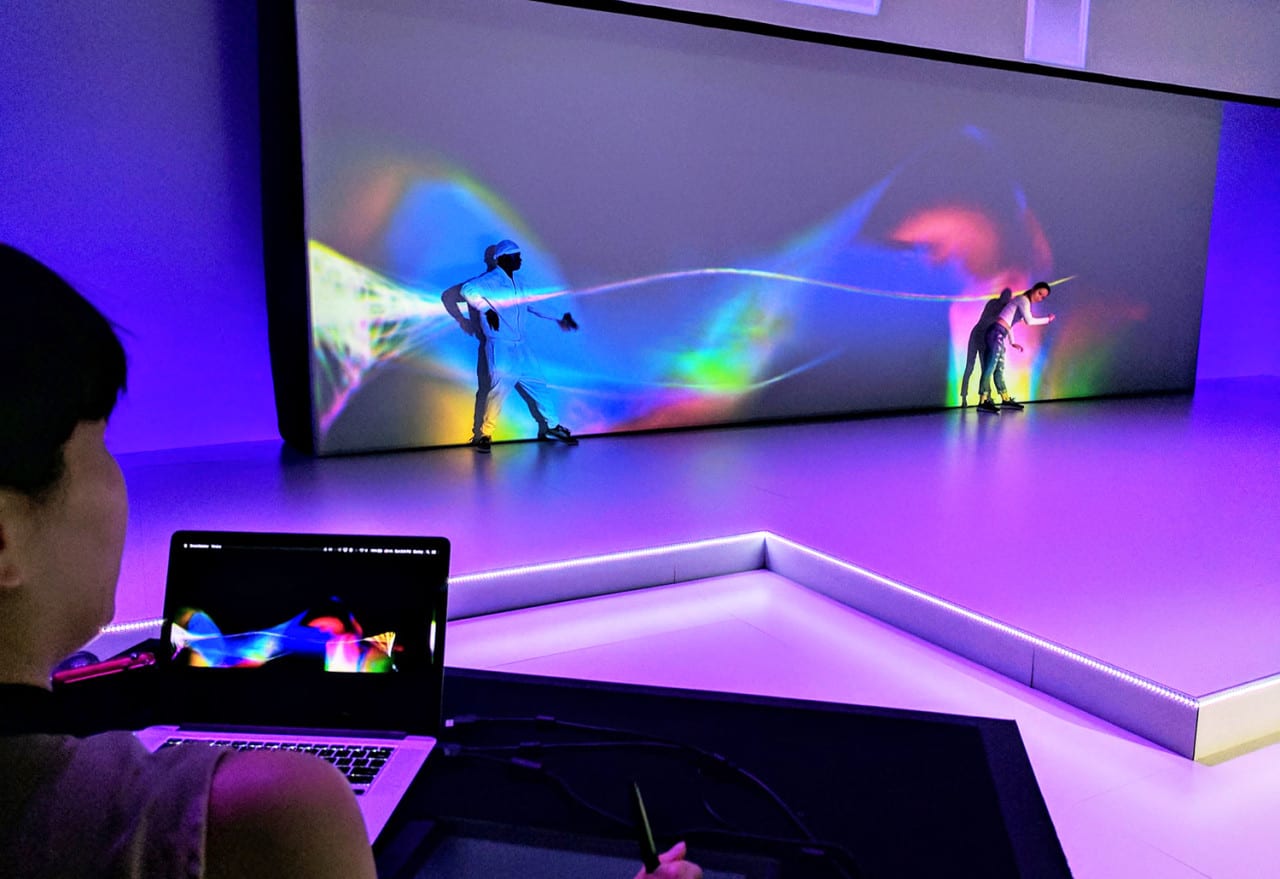
Projection mapping technology allows brands to transform buildings, landmarks, or objects into dynamic canvases for storytelling. This immersive technique can be used to project branding messages, product demonstrations, or captivating narratives onto unconventional surfaces, leaving a memorable impact on viewers
Art Installations at Events
Art installations can enhance the ambiance at corporate events, trade shows, and product launches. These installations can serve as focal points, creating a visual spectacle that resonates with attendees. For example, a car manufacturer might showcase their latest vehicle in an art-inspired setting to emphasize its design aesthetics.
Collaborations with Artists
Collaborating with renowned artists or local talents can infuse authenticity and creativity into a brand’s marketing campaign. These artists can design and create installations that align with the brand’s message, and their involvement can generate excitement and media coverage.
Art-Based Social Media Campaigns
Brands can design art-based social media campaigns that encourage user-generated content. This might involve creating a physical installation and encouraging visitors to share their experiences on social media using a branded hashtag. User-generated content can help amplify the reach of the campaign.
Art Installations in Retail Spaces
Art installations within retail spaces can elevate the shopping experience. They create an atmosphere that sets the brand apart and encourages customers to spend more time in the store. For instance, a cosmetics brand might install a captivating visual display that highlights the ingredients and benefits of their products.
Sensory Art Installations
Art installations that engage multiple senses, including sight, sound, touch, and even smell, can leave a profound impact on viewers. Brands can use these multi-sensory experiences to create emotional connections and trigger specific responses from their audience.
Conclusion
Art installations have transitioned from being purely artistic expressions to strategic marketing tools that captivate audiences and reinforce brand messages. By leveraging the power of art in their marketing campaigns, brands can create unforgettable experiences, connect with consumers on a deeper level, and stand out in a crowded marketplace. As the art-meets-marketing trend continues to evolve, brands that embrace creativity and innovation in their installations will likely see greater success in engaging and retaining their audience’s attention.

